
"coffee with tequila"
500 article(s) found

Introduction to the treatment method of location Brand Flavor and taste in Mexican Coffee producing area
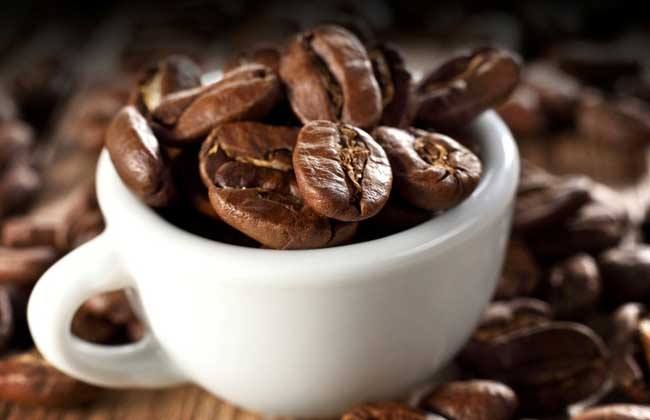
Mexico Chabas Chispa: Chiapas is located in the southernmost coffee growing area of Mexico, adjacent to the tiny south producing area north of Guatemala, and both belong to the production areas of high quality coffee. Chabas is also one of the most praised coffee producing areas in Mexico. Chabas coffee has a moderate consistency, mild taste but sweet flavor, with a little banana in the dry aroma.
Mexican Coffee practice, Mexican Coffee introduction
Following caf é (Wechat official account vdailycom) found that Beautiful Cafe opened a small shop of its own in Mexico. Due to geographical and climatic reasons, the Mexican coffee growing area is close to Guatemala, and the production classification belongs to the Central American type. The main producing areas are: Kolabegu, Australia Aluca states, most of the products are washed beans produced in the highlands, with good aromatic and sour taste

Mexican coffee with desert flavor introduces boutique coffee.
Heat a cup of milk, a teaspoon of cinnamon powder and a teaspoon of vanilla powder in a pot. Keep it at medium temperature. The heat is not too high. The milk must not boil. Then add the cocoa powder, fully dissolve and stir well. If you are particularly fond of chocolate, you can use chocolate paste instead of cocoa powder and milk. Let the milk dry for about 5 minutes, wait until the milk is slightly cool, then pour into the prepared coffee.
What kind of coffee do you have in Mexico? Coffee producing areas in Mexico: Corabagu and Aluca states
For the exchange of professional baristas, please follow the coffee workshop (Wechat official account cafe_style) due to geographical and climatic reasons, the coffee growing area of Mexico is close to Guatemala, and the production classification belongs to the Central American type. The main producing areas are: Kolabegu, O'Aluca states, most of the products are washed beans produced in the highlands, with good aroma and sour taste, grade according to altitude
Mexican coffee culture, what food is good for Mexican coffee?
Coffee Factory (Wechat official account cafe_style), located in Mexico at the northern end of Central America, is the fourth largest coffee producer in the world, mainly growing coffee beans in Arabica. Due to the influence of geography and weather environment, almost all the well-known Mexican coffee producing areas in the world are in the southeast of the country, near Guatemala. Including Oaxa

Exquisite Mexican coffee, delicious Mexican coffee beans.
Mexican coffee editor due to geographical and climatic reasons, the Mexican coffee growing area is close to Guatemala, and the production classification belongs to the Central American type. Mexican Coffee growing region Coco Begu, Australia Aluca State production Classification Central American Type species Water-washed Bean Flavor aromatic and sour characteristic granules 1 brief introduction 2 quality 3 Mosi
Introduction to the characteristics of the manor producing area of Mexican coffee beans with special taste
Heat a cup of milk, a teaspoon of cinnamon powder and a teaspoon of vanilla powder in a pot. Keep it at medium temperature. The heat is not too high. The milk must not boil. Then add the cocoa powder, fully dissolve and stir well. If you are particularly fond of chocolate, you can use chocolate paste instead of cocoa powder and milk. Let the milk dry for about 5 minutes, wait until the milk is slightly cool, then pour into the prepared coffee.

Mexican coffee flavor taste manor production area introduces Mexican boutique coffee Aldumara coffee
Mexicans are enthusiastic and optimistic, and the chocolates in Mexican coffee perfectly reflect this. There are different methods of Mexican coffee, but the main difference is whether it contains alcohol or not. let's first introduce the practice of non-alcohol. Heat a cup of milk, a teaspoon of cinnamon powder and a teaspoon of vanilla powder in a pot. Keep it at medium temperature. The heat is not too high. The milk must not boil. And then join.

Fragrant Mexican Coffee Flavor description Grinding degree taste characteristics introduction to baking degree of varieties
Mexicans are enthusiastic and optimistic, and the chocolates in Mexican coffee perfectly reflect this. There are different methods of Mexican coffee, but the main difference is whether it contains alcohol or not. let's first introduce the practice of non-alcohol. Heat a cup of milk, a teaspoon of cinnamon powder and a teaspoon of vanilla powder in a pot. Keep it at medium temperature. The heat is not too high. The milk must not boil. And then join.

Introduction of Mexican coffee beans with smooth taste Mexican coffee beans are introduced in Mexican coffee bean estate
Heat a cup of milk, a teaspoon of cinnamon powder and a teaspoon of vanilla powder in a pot. Keep it at medium temperature. The heat is not too high. The milk must not boil. Then add the cocoa powder, fully dissolve and stir well. If you are particularly fond of chocolate, you can use chocolate paste instead of cocoa powder and milk. Let the milk dry for about 5 minutes, wait until the milk is slightly cool, then pour into the prepared coffee.

Introduction to the aroma-rich Mexican boutique Aldu Mara coffee bean flavor manor
Another way to match Mexico's most famous tequila with coffee is to pour a small glass of tequila at the bottom of the cup, followed by milk and coffee, preferably decorated with cream and cinnamon. Tequila is a wine with great stamina. If you have enough courage, you might as well try this alternative coffee. Mexican coffee has a strong low taste and strong aroma, although it is slightly bitter.

Mexican coffee flavor taste manor producing area characteristics of boutique coffee introduction to Mexico's top coffee
The Teotihuacan civilization (Teotihuacn) began around 200 BC, about in the middle of what is now Mexico, and was born after the demise of the Olmec civilization, about the same time as the Mayan civilization. the Teotihuacan built a city with a population of about 50, 000 between the first year of AD and 150, making it the earliest city in the entire American region.

A brief introduction to the Origin, Development, History and Culture of Aldura Fine Coffee beans with strong aroma
Non-alcoholic Mexican coffee often goes with milk. Heat a cup of milk, a teaspoon of cinnamon powder and a teaspoon of vanilla powder in a pot at medium temperature, not too hot, and do not boil the milk. Then add the cocoa powder, dissolve and stir well. If you like chocolate, you can use chocolate paste instead of cocoa powder and milk. Let the milk dry for about 5 minutes, wait until

The flavor and taste of Mexican Aldura coffee with the smell of desert.
The Teotihuacan civilization (Teotihuacn) began around 200 BC, about in the middle of what is now Mexico, and was born after the demise of the Olmec civilization, about the same time as the Mayan civilization. the Teotihuacan built a city with a population of about 50, 000 between the first year of AD and 150, making it the earliest city in the entire American region.

Introduction of Mexican Coffee Manor boutique Coffee Bean producing areas with strong sweetness
Mexicans are enthusiastic and optimistic, and the chocolates in Mexican coffee perfectly reflect this. There are different methods of Mexican coffee, but the main difference is whether it contains alcohol or not. let's first introduce the practice of non-alcohol. Heat a cup of milk, a teaspoon of cinnamon powder and a teaspoon of vanilla powder in a pot. Keep it at medium temperature. The heat is not too high. The milk must not boil. And then join.

Fragrant, soft, mellow and comfortable with grape wine flavor and taste of Aldumara Coffee
Another way to match Mexico's most famous tequila with coffee is to pour a small glass of tequila at the bottom of the cup, followed by milk and coffee, preferably decorated with cream and cinnamon. Tequila is a wine with great stamina. If you have enough courage, you might as well try this alternative coffee. Indeed, there are people who forget their worries and get rid of their troubles after drinking Mexican coffee.

A brief introduction to the cultivation of slightly bitter Aldu Mara boutique coffee beans, geographical location, climate and altitude
Mexico has a long history of producing coffee and is currently one of the most important coffee producing countries in the world. The coffee produced in Mexico is naturally called Mexican coffee. About 5 ℃ of Mexico's national area are plateaus and mountains, with an annual average temperature of 2527 ppm. The Mexican plateau has a mild climate all the year round, with mostly plateau topography, no severe cold in winter, no heat in summer, and ten thousand trees in four seasons.
Fine coffee producing area American and Mexican coffee beans
A brief introduction to Mexican Coffee Mexico is close to the United States to the north of Mexico. Due to geographical and climatic reasons, its coffee growing area is close to Guatemala, the production classification belongs to the Central American type, and its coffee output ranks fourth in the world. Brother Mo, about 70% of his coffee is exported directly to the United States, which is washed and divided into three grades according to their height. Generally speaking, the evaluation of Mexican coffee
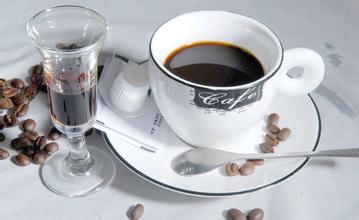
Mexican Coffee Flavor taste Manor production area characteristics of boutique coffee beans introduction to Aldura coffee
The Teotihuacan civilization (Teotihuacn) began around 200 BC, about in the middle of what is now Mexico, and was born after the demise of the Olmec civilization, about the same time as the Mayan civilization. the Teotihuacan built a city with a population of about 50, 000 between the first year of AD and 150, making it the earliest city in the entire American region.

Description of Mexican Coffee Flavor introduction to the taste characteristics of fine coffee beans
As early as 1796, coffee spread from Cuba to the Cordoba region of Veracruz, Mexico. After more than 200 years of development, today's Mexican coffee has many different styles of coffee. At present, there are three world-famous coffee producing areas, namely Chiapas, Veracruz and Oaxaca, where 70% of Mexican coffee comes from. Mexican fever